Processed vegetation
Expect an uneven layer of woody material rather than bagged landscape mulch. Agree on the intended finish before work; results vary with the site and scope.
PLAN THE NEXT CHAPTER
An open area is the start of the next step. Understand what remains after forestry mulching so the finished job matches the way you want to use your land.
DEFINE THE RESULT
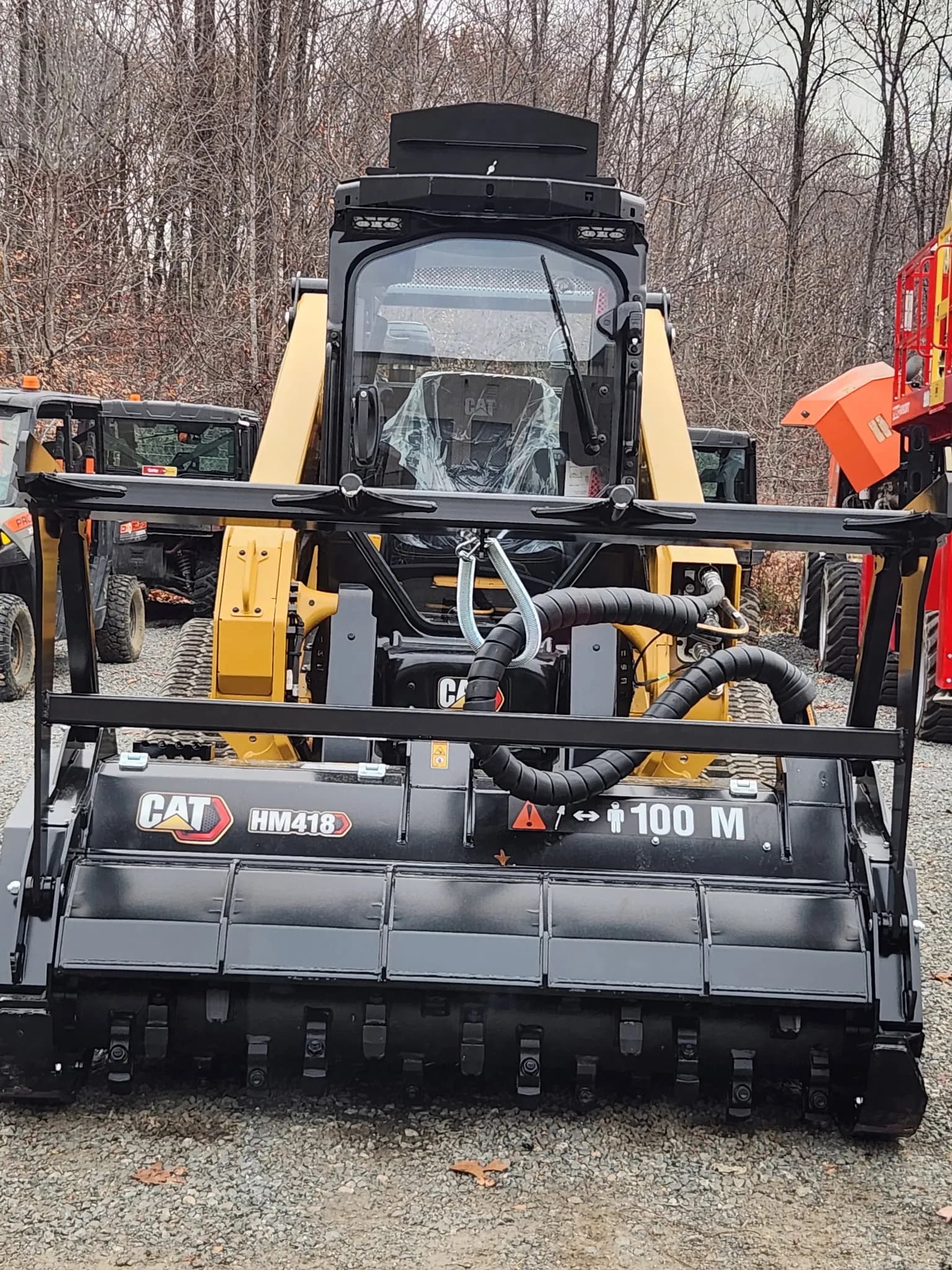
Suitable vegetation is cut and processed into woody material that typically remains on the surface. Chip size and coverage vary with the vegetation, equipment work and agreed finish. Roots, below-ground stumps, rocks and natural terrain can remain.
Organic cover can help moderate surface temperature and moisture loss, but it changes as it decomposes. It is not a finished lawn, a compacted building pad or proof that the area is ready for vehicles.
Discuss your property ↗BEFORE WORK BEGINS
Expect an uneven layer of woody material rather than bagged landscape mulch. Agree on the intended finish before work; results vary with the site and scope.
Above-ground treatment does not excavate every root. Discuss root removal or a smoother surface separately if your next use requires it.
Some vegetation can return from roots or seed. The first clearing does not guarantee a permanently weed-free area; future maintenance depends on the plants and your goals.
BUILD THE SCOPE
Review the corridor, retained trees and natural surface. Agree on obstacles or sections that need more attention before relying on the route.
Assess the remaining material, ground shape and obstacles first. Seedbed preparation and mower suitability need their own review; there is no universal waiting period.
Share the builder’s plans and project requirements. Root removal, grading, drainage and foundation preparation are not included simply because the vegetation has been mulched.
PRACTICAL QUESTIONS
Discuss the location, conditions and intended finish so the proposed work fits your property.
Do not assume that will create a suitable lawn. Remaining material, soil contact, terrain and the intended grass use need review. Discuss the desired finish before clearing so any additional preparation can be identified.
No. Ground cover can help limit erosion, but coverage, slopes, drainage and rainfall matter. Site-specific stabilization or drainage measures may still be needed.
There is no fixed interval for every property. Vegetation type, regrowth, access and intended use determine the follow-up approach. Tell us your maintenance goal when defining the original scope.
Further reading: Virginia Cooperative Extension: organic mulch principles · U.S. Forest Service: vegetation mulching and tradeoffs. General principles do not replace a property-specific scope.
START WITH YOUR PROPERTY
Tell us what you want to clear or prepare, where it is and what you have in mind. Plans and a proposed footprint help with site preparation.
Photos are useful for the initial review. Share them when requested; avoid including people or sensitive personal information.