Trails & access lanes
Define a route through overgrowth. Share the desired width, access points and intended use. Clearing a corridor does not make it an engineered road or an all-weather driving surface.
CLEARING WITH A PURPOSE
Recover overgrown ground, trails and fence lines. Our preferred working area is within 60 miles of Culpeper; farther projects are considered case by case.
DEFINE THE OUTCOME
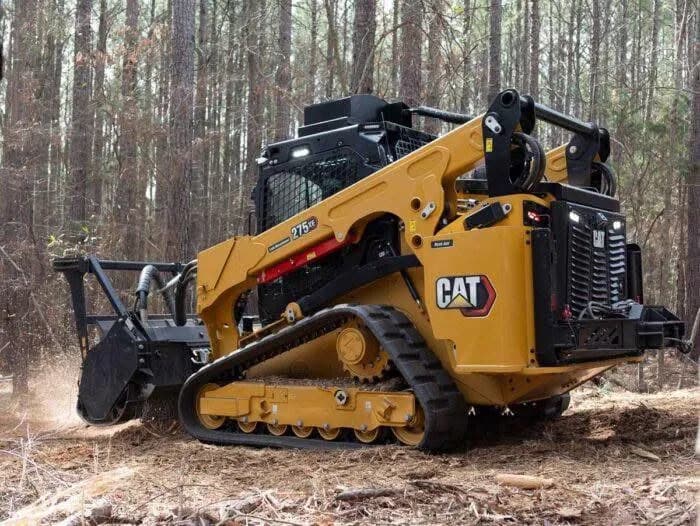
An overgrown boundary, a blocked route and a neglected open area each need a different plan. We focus on brush and vegetation work with the desired use clearly defined.
Brush clearing alone does not automatically include large-tree removal, logging, root excavation, grading, hauling or complete clearing and grubbing. Site preparation is a separate job with its own agreed scope.
See how forestry mulching fits ↗COMMON PROPERTY GOALS
Define a route through overgrowth. Share the desired width, access points and intended use. Clearing a corridor does not make it an engineered road or an all-weather driving surface.
Recover access along an existing fence or property edge. Confirm the boundary, fence condition and hidden obstacles first; brush clearing does not include fence installation or repairs.
Open neglected ground for a planned use. Describe whether the goal is visibility, walking access or future mowing so the finish and follow-up needs can be discussed.
BEFORE WORK BEGINS
Identify the treatment area, equipment access, retained trees and sensitive areas. Mention wet ground, steep slopes, old wire, debris, nearby structures and known utilities. Site-specific requirements need review before any commitment to work.
Planning a building site? Explore site preparation ↗START WITH YOUR PROPERTY
Tell us what you want to clear or prepare, where it is and what you have in mind. Plans and a proposed footprint help with site preparation.
Photos are useful for the initial review. Share them when requested; avoid including people or sensitive personal information.